


 Unity
Unity Unreal
 Godot
Godot
 Mobile
 PC
PC Console
 Full-Cycle
 Co-Development
 Outstaffing


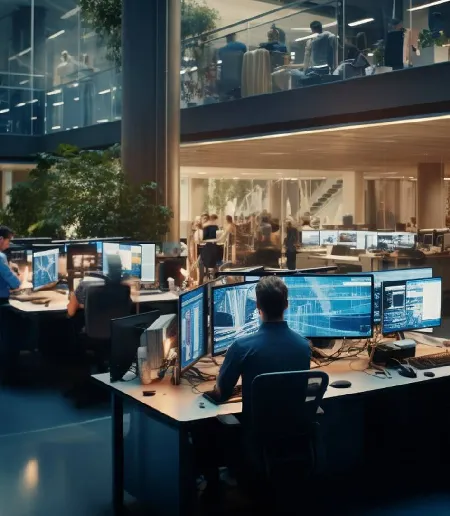
Hire Game Development Teams
Juego Studios gives you access to production-ready game developers, artists, and cross-functional teams that integrate into your workflows, sprint cycles, and codebase, scaling development. It's how we delivered 200 high-fidelity player head models for AFL Evolution 2 in just six months—hire game development teams without internal hiring delays or onboarding overhead.
200+
Completed Projects
100+ M
Downloads

Listed in Forbes India Marquee Entrepreneur Special.





Flexible Ways to Scale Your Game Production
Flexible ways to scale your production when you need to hire a game development studio or extend existing teams without disruption.
Dedicated Game Art & Development Teams
Deploy cross-functional teams across engineering and art that operate inside your pipeline, supporting active production with defined ownership across systems, features, or content pipelines.
Specialized Developers & Artists
Access experienced game developers and artists with expertise in your engine, genre, or platform requirements, integrating directly into your workflows and sprint cycles.
Hybrid Scaling Model
Combine dedicated teams with specialized roles to scale specific parts of production, such as gameplay systems, art pipelines, or LiveOps, without disrupting existing team structure.
Access Specialized Game Development Talent by Function

Unity and Unreal developers, gameplay programmers, and backend engineers experienced in building systems for mobile, PC, and console production. Teams are available when you need to outsource game developers for specific systems, features, or production phases.

Character artists, environment artists, animators, and technical artists working within optimized pipelines, including rigging, LODs, and engine-ready assets.

Game designers focused on gameplay systems, progression loops, economy balancing, and player retention across genres. Ideal for studios looking for game devs for hire to strengthen core systems without disrupting existing production workflows.

QA engineers and performance specialists ensure build stability, device compatibility, and optimization for frame rate and memory constraints.

Teams managing content updates, event systems, telemetry, and post-launch balancing to sustain engagement and monetization.

Engineers focused on adapting games across platforms, handling SDK integration, input mapping, save systems, and performance tuning without pulling core teams off active development.
Recent Projects We Have Completed
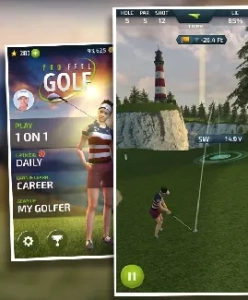
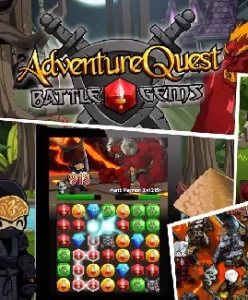
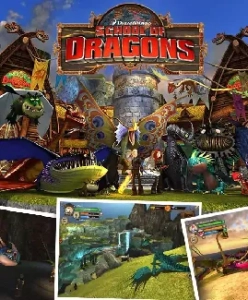
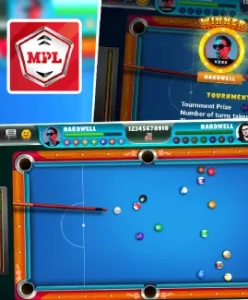
Real time Strategy
Why Studios Hire Game Development Teams from Juego

Protect IP Confidently
IP risk is addressed before production begins. NDAs, role-based repository access, and controlled environments ensure code, assets, and systems remain secure throughout development and handoff.

Production-Ready Technical Depth
Specialized developers and artists work across Unity, Unreal Engine, Maya, Blender, and Substance, handling gameplay systems, asset pipelines, and performance without dependency gaps between teams. Studios rely on this model when they need to outsource game developer capacity without slowing production.

Ship Without Rework
Deliverables are quality-gated before scaling output. Systems, assets, and builds are validated early, so internal teams review completed work instead of spending cycles on corrections during active sprints.
Protect IP Confidently
IP risk is addressed before production begins. NDAs, role-based repository access, and controlled environments ensure code, assets, and systems remain secure throughout development and handoff.
Production-Ready Technical Depth
Specialized developers and artists work across Unity, Unreal Engine, Maya, Blender, and Substance, handling gameplay systems, asset pipelines, and performance without dependency gaps between teams. Studios rely on this model when they need to outsource game developer capacity without slowing production.
Ship Without Rework
Deliverables are quality-gated before scaling output. Systems, assets, and builds are validated early, so internal teams review completed work instead of spending cycles on corrections during active sprints.
Our Game Development & Art Outsourcing Process
Discovery Phase
A production brief and gap analysis define role requirements, tech stack constraints, and milestone targets before contracts move forward. This ensures team structure, seniority mix, and engagement model align with studios’ planning to outsource game developers while maintaining production oversight.
Team Selection
Candidates are matched to your stack, seniority requirements, and production phase from a pre-vetted pool. Every profile clears a technical screen before your lead reviews it, ensuring interview cycles remain focused and efficient.
Contracts and Access
NDAs and IP agreements are signed before access is provisioned. Repository entry is restricted to approved tools and pipelines, ensuring secure onboarding with full audit visibility from day one.
Pipeline Integration
Teams enter active sprints with defined deliverables and access to your workflows. A week-one validation milestone confirms output quality, integration stability, and delivery rhythm before scaling production volume.
QA & Delivery
Each sprint closes with a structured scope review. Blockers are identified early and resolved before handoff, preventing downstream delays and ensuring continuity across development cycles.
Knowledge & IP Transfer
At project completion, documentation and structured asset handoff ensure your internal team can maintain and extend all delivered systems. Source code, assets, and IP rights are transferred fully under your ownership.
Looking to hire a game development team?


Top Game Developer of 2018 Badge by Top App Development Company

Hopster featured by Apple on the iTunes App Store

An ISO 9001:2015 Certified Company

Top VR/AR technology service providers 2017 by APAC CIO Outlook magazine

Brand of the Year by “Silicon India”

Best Mobile App Developers in Oakland

Listed in Forbes India Marquee Entrepreneur Special
Game Changer Award from Brand Vision
Frequently Asked Questions
Hiring a game development team typically costs $10,000–$25,000/month for a small production pod with a few specialists, rising to $40,000–$100,000+/month for larger cross-functional teams covering engineering, art, QA, backend, and LiveOps, depending on scope and delivery requirements. Studios evaluating a game development studio for hire usually focus more on delivery continuity and onboarding speed than raw headcount pricing, since teams needing constant oversight often cost more over time than production-ready teams aligned to your sprint workflows from day one.
Evaluate experience across PC, console, and mobile production, ability to integrate into existing sprint workflows, technical depth across engineering, art, QA, and LiveOps, transparency in reporting, and security practices around repositories and IP access. Teams that outsource game developers in India often underestimate how much production visibility and communication structure affect delivery quality, so the strongest partnerships feel operationally embedded rather than externally managed.
You need specialized support when the bottleneck sits in one production area — gameplay systems, backend, QA, LiveOps, or art, and a full external team when dependencies between engineering, art, QA, and production start slowing delivery across the whole pipeline. Studios preparing to hire a game development team usually reach that second point once a single-function fix stops being enough to keep milestones moving.
Teams already embedded in your sprint systems and communication channels can shift priorities quickly — toward multiplayer scope changes, urgent optimization, certification timelines, or evolving LiveOps needs — without an onboarding reset or delivery disruption. That flexibility is one of the main reasons studios hire game development studio partners instead of building fixed internal structures, whether the shift touches gameplay, QA, LiveOps, or even a specialized video game artist for hire workflow.
Yes — our multidisciplinary support covers gameplay engineering and backend systems, QA automation and device validation, LiveOps and content updates, porting and platform optimization, and cross-functional art production, coordinated as one structure rather than separate vendors. Teams often hire mobile game development company partners for exactly this reason: solving one bottleneck in isolation rarely stabilizes the broader pipeline, whether the need is engineering support or game artists for hire across environments, characters, UI, animation, and technical art.
About US
10+
Years in Market
50+
Clients
200+
Projects
250+
Team